

How Can Families Support Emotional Wellbeing After the Move?
Becoming settled in a new living environment often stirs up mixed emotions, from relief and curiosity to sadness or anxiety. Older adults in Radnor, PA who have recently moved to assisted living may need time and reassurance to adjust. Early, steady emotional support is one of the most meaningful ways families and friends can help.
Listening actively can make a noticeable difference. Allow your loved one to share both upbeat moments and frustrations about their new routines, meals, neighbors, and personal space. Avoid dismissing their concerns with statements like “Give it time—you’ll get used to it.” Instead, acknowledge their feelings—even the unpleasant or contradictory ones. This helps foster trust and a sense of being understood.
If possible, consider small routines that signal ongoing connection: regular phone calls, shared meals in their new dining space, or thoughtful letters and photos. Familiar faces continue to be grounding, even once the initial move is complete.
What Actions Ease the Sense of Homesickness?
Homesickness after a move is a common reaction, especially in close-knit communities. To soften the longing for home, families in Radnor can help personalize the new space with meaningful, comforting touches:
- Help arrange furniture to mimic the layout of their previous home.
- Bring favorite bedding, small decorations, or cherished keepsakes.
- Hang up family photos and artwork to create a sense of continuity.
Some residents gain comfort from maintaining familiar habits, like brewing their usual morning coffee or listening to a local radio station. Encouraging these rituals supports a sense of identity and stability. For added connection to the wider Radnor community, bring local newspapers or news clippings to catch up on familiar events and happenings.
How Can You Stay Involved Without Overwhelming Your Loved One?
A healthy balance of support and independence is essential. While frequent visits can ease loneliness, too many at once may feel overwhelming amid new routines and social circles.
Check in with your loved one about their preferences—some appreciate short, spontaneous visits, while others prefer predictable schedules. Try to be flexible, as these needs may change over time.
Whenever possible, participate in community events or activities open to visitors, like seasonal gatherings, art shows, or lectures. This not only keeps you involved but helps your loved one feel connected to both family and peers. Don’t forget thoughtful gestures from a distance, such as sending postcards, text messages, or video calls if in-person visits aren’t always possible.
How Do You Encourage New Social Connections?
Forming new friendships can be a gradual process, especially for those initially hesitant or reserved. Encouragement from family can give residents the gentle nudge needed to join group meals, attend classes, or introduce themselves to neighbors.
Avoid pushing too hard or lining up social activities nonstop. Instead, ask about their interests and gently suggest trying out an activity that might align, such as gardening, book discussion groups, or music sessions.
Remind your loved one that new relationships rarely feel instant or effortless. Share stories of your own experiences meeting new people, emphasizing that some initial awkwardness is normal. If they’re struggling, see if staff can recommend low-pressure activities with smaller groups that match your loved one's temperament.
What Should Families Watch for as Residents Adjust?
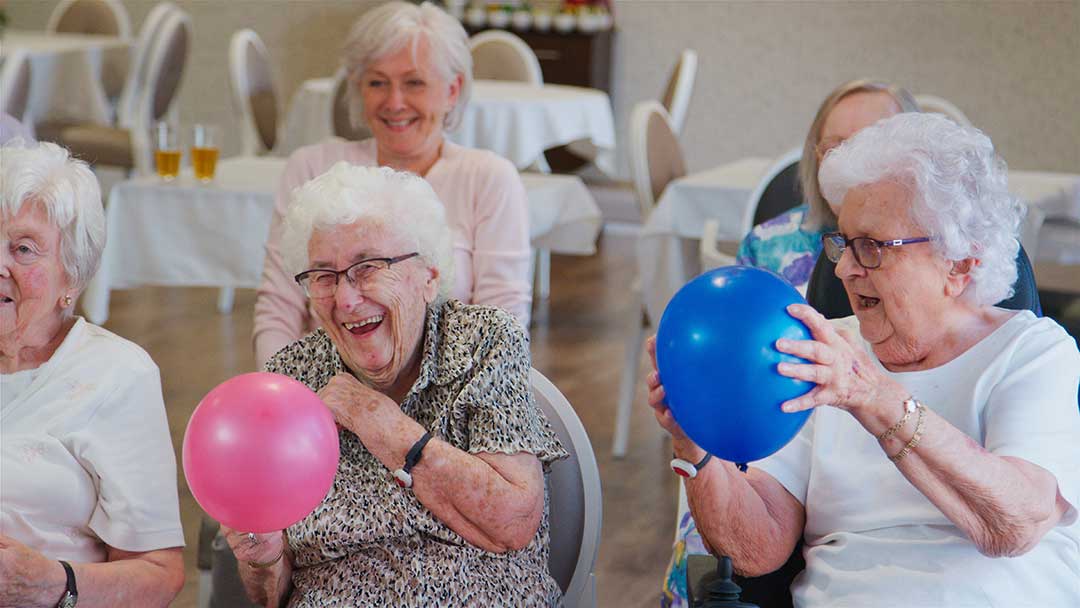
Adjustment may not happen at the same pace for everyone. Local families benefit from knowing the typical signs of positive adaptation, as well as red flags that might point to deeper challenges.
Signs of successful settling in often include:
- Interest in daily activities or meals
- Willingness to leave their room and socialize
- Asking questions about community events
Signs to watch for that might need extra support:
- Persistent withdrawal from social activities
- Noticeable changes in eating, sleeping, or mood
- Expressions of regret about the move that do not ease with time
If concerns persist, discussing observations with on-site wellness or activities staff ensures the resident’s needs are on everyone’s radar. Family members play a crucial role in spotting subtle changes that may otherwise go unnoticed within busy communities.
How Can Weather and Local Routines Affect the Transition?
Radnor’s distinct four-season climate can influence routines and emotional comfort for new residents. For example, snowy or rainy weather can cause feelings of isolation when outdoor visits aren’t possible. Families can plan shorter indoor visits or bring along board games, warm drinks, or seasonal treats to brighten up indoor days.
During milder weather, strolls in nearby green spaces or sitting together in outdoor garden areas can give loved ones a refreshing sense of openness and connection to nature. Subtle seasonal touches in room decorations or care packages—like spring flowers or autumn leaves—help keep residents feeling part of the local rhythm.
Residents from the area often have deep attachments to local traditions. If your family has long-standing seasonal habits or annual events, keep those alive as much as possible with stories, photos, or small celebrations inside their new home.
How Can Residents Stay Connected With the Wider Community?
Remaining engaged with the larger Radnor community can ease the transition by keeping longtime interests and identities present. Bring news of local civic events, church bulletins, or updates about neighbors and friends who may not be able to visit in person.
If your loved one is used to attending community meetings, voting, or participating in local charities, look into safe ways for them to stay involved—whether remotely, by reading meeting minutes, or writing letters of encouragement for community initiatives. These actions reinforce a continuing relationship with the place they know and love.
