

Can couples live together in assisted living?
Yes, many couples can continue living together after moving into assisted living, even when their care needs are different. The details depend on the residence, available floor plans, licensing requirements, and whether both partners can be safely supported in the same setting.
For couples in Radnor, the goal is often not simply finding care for one person. It is preserving a shared home life while reducing the physical and emotional strain placed on the healthier partner. Assisted living may provide help with daily routines, meals, medication organization, mobility, housekeeping, and personal care while allowing spouses to remain part of the same community.
Couples may live in:
- A shared studio or one-bedroom apartment
- Two nearby apartments on the same floor
- Separate living spaces within the same residence
- A combination of assisted living and memory support, if one partner has significant cognitive needs
Not every residence can accommodate every arrangement. Some communities may accept couples only if both residents meet the same level-of-care requirements, while others may be able to serve spouses with different needs.
How does assisted living support spouses with different care needs?
Assisted living can create a more flexible routine when one spouse needs daily help and the other remains mostly independent. The spouse who needs assistance may receive support with bathing, dressing, toileting, transferring, medication reminders, or walking. The more independent partner may use fewer services while still benefiting from meals, maintenance-free housing, activities, and emergency response systems.
This arrangement can reduce a common source of stress: the healthier spouse becoming the primary caregiver. Marriage and caregiving often overlap so closely that it becomes difficult to tell where companionship ends and unpaid care begins. A supportive setting can restore a more balanced relationship.
For example, one spouse may need help getting ready in the morning, while the other prefers to manage independently. Staff can assist with the morning routine without requiring the healthier spouse to provide hands-on care. Both partners can then share breakfast, attend an activity, or spend time together without the day being organized entirely around caregiving.
Can a couple share one apartment if only one person needs assisted living?
Sometimes, but this must be confirmed before a move. A residence may assess each person separately and determine whether the apartment, staffing model, and service plan can safely support both individuals.
Questions that may affect the decision include:
- Does each person meet the residence’s admission requirements?
- Can staff respond safely if both residents need help at the same time?
- Is the apartment large enough for mobility equipment?
- Can one spouse remain in the residence if the other later needs a higher level of care?
- Are overnight care needs within the residence’s capabilities?
- Would one partner’s dementia-related behaviors affect the other partner’s safety or sleep?
A shared apartment can offer comfort and familiarity, but it is not always the best arrangement. Some couples sleep better in separate rooms or apartments while spending most daytime hours together. Others prefer to share a suite but have separate schedules. The right choice should reflect both partners’ health, privacy, habits, and preferences.
What if one spouse needs memory care?
A couple may still be able to remain in the same overall community when one partner has Alzheimer’s disease or another form of dementia. However, memory support usually involves additional supervision, secured areas, specialized programming, and staff trained in cognitive impairment.
In some settings, the spouse with dementia may live in a memory support neighborhood while the other spouse lives in assisted living. This can allow the couple to visit regularly, share meals, or participate in activities without requiring the more independent partner to manage risks such as wandering, nighttime confusion, or medication mistakes.
Before choosing this arrangement, families should ask how visits work, whether spouses can dine together, and how the residence handles changes in behavior or care needs. A couple may begin in the same apartment and later need separate spaces if one partner’s condition changes.
How can couples prepare for a move?
A joint move is easier when both partners participate in planning, even if one spouse requires much more assistance. Each person should have an opportunity to discuss routines, possessions, privacy, sleep habits, and concerns about losing independence.
Useful preparation may include:
- Listing the daily tasks each spouse handles now
- Identifying which responsibilities should transfer to staff
- Measuring furniture, walkers, wheelchairs, and other equipment
- Discussing whether separate bedrooms or bathrooms are needed
- Organizing medication and medical information for each person
- Deciding which household items have sentimental value
- Planning how bills, legal documents, and transportation will be managed
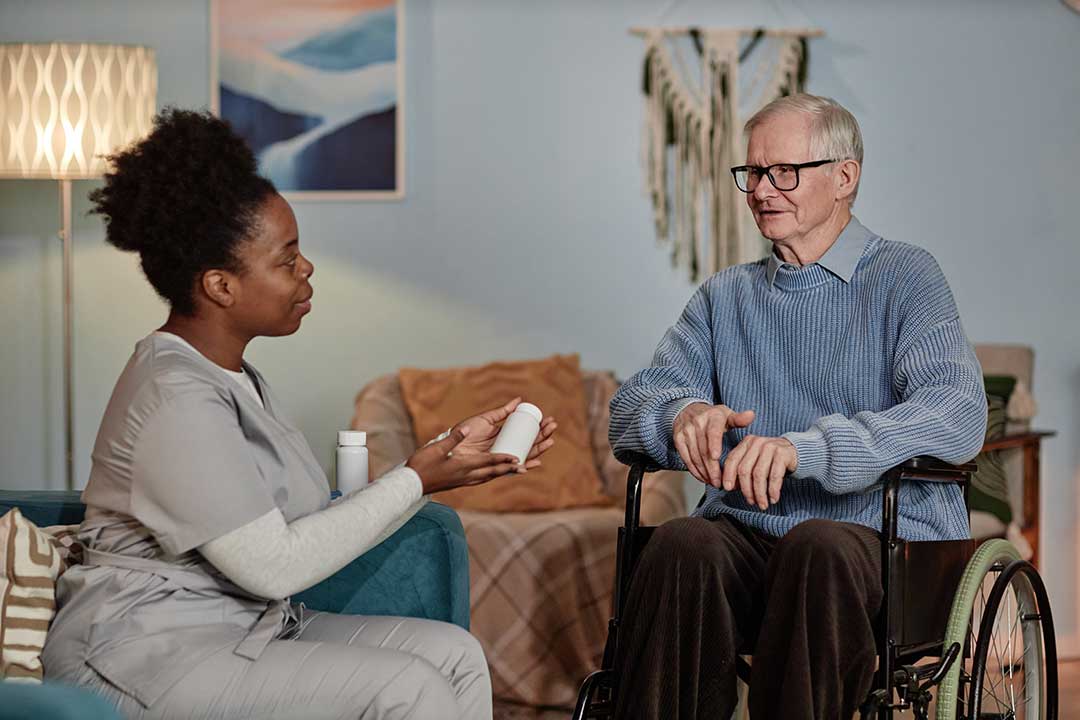
The move may also be emotionally complicated. One spouse may feel guilty about leaving the longtime home, while the other may feel responsible for making the decision. Clear conversations can help separate the choice of housing from feelings of loyalty or failure. Needing assistance is not the same as failing a spouse.
What should Radnor families ask during a residence assessment?
A thorough assessment should address both partners individually and as a couple. Families may want written answers to the following questions:
- Can spouses share a unit if their care plans differ?
- How are monthly costs calculated when only one spouse needs extensive services?
- What happens if one partner’s care needs increase?
- Can a spouse move to memory support without leaving the residence?
- Are there accommodations for walkers, wheelchairs, oxygen equipment, or hospital-style beds?
- How are emergencies handled if both spouses need assistance?
- Can couples eat meals, attend activities, and receive visitors together?
- What transportation is available for medical appointments and errands?
- How are temporary hospital stays or rehabilitation handled?
- What are the procedures if one spouse dies or must move to skilled nursing care?
In Pennsylvania, assisted living residences and personal care homes operate under state licensing requirements, but services and admission practices can still differ significantly. A residence’s ability to accommodate a couple should be confirmed through its assessment process and written agreement rather than assumed from general advertising.
How does assisted living affect the healthier spouse?
For the spouse who remains more independent, assisted living may provide both relief and adjustment. Relief can come from no longer managing every medication, meal, transfer, or household task. Adjustment may involve accepting help from unfamiliar people and learning a new rhythm of shared living.
The healthier spouse should retain personal choices and private time. Joining activities together can strengthen the transition, but couples do not need to spend every hour together. Maintaining individual interests, friendships, exercise routines, and quiet time may protect the relationship from becoming centered only on illness.
Seasonal conditions can also influence planning in Radnor. Winter weather, icy walkways, and shorter daylight hours may make transportation, outdoor visits, and appointments more difficult. A residence with accessible indoor common areas and reliable emergency procedures may help couples maintain routines during periods when travel is harder.
What is the main benefit for couples?
The central benefit is continuity: spouses may be able to remain emotionally connected and physically near each other while receiving different levels of support. Assisted living does not guarantee that a couple can share one apartment or remain in the same setting forever, but careful planning can preserve companionship and reduce caregiver strain.
The most suitable arrangement is the one that protects both partners’ safety, dignity, privacy, and quality of life—not necessarily the arrangement that keeps them in the same room at all times.
